

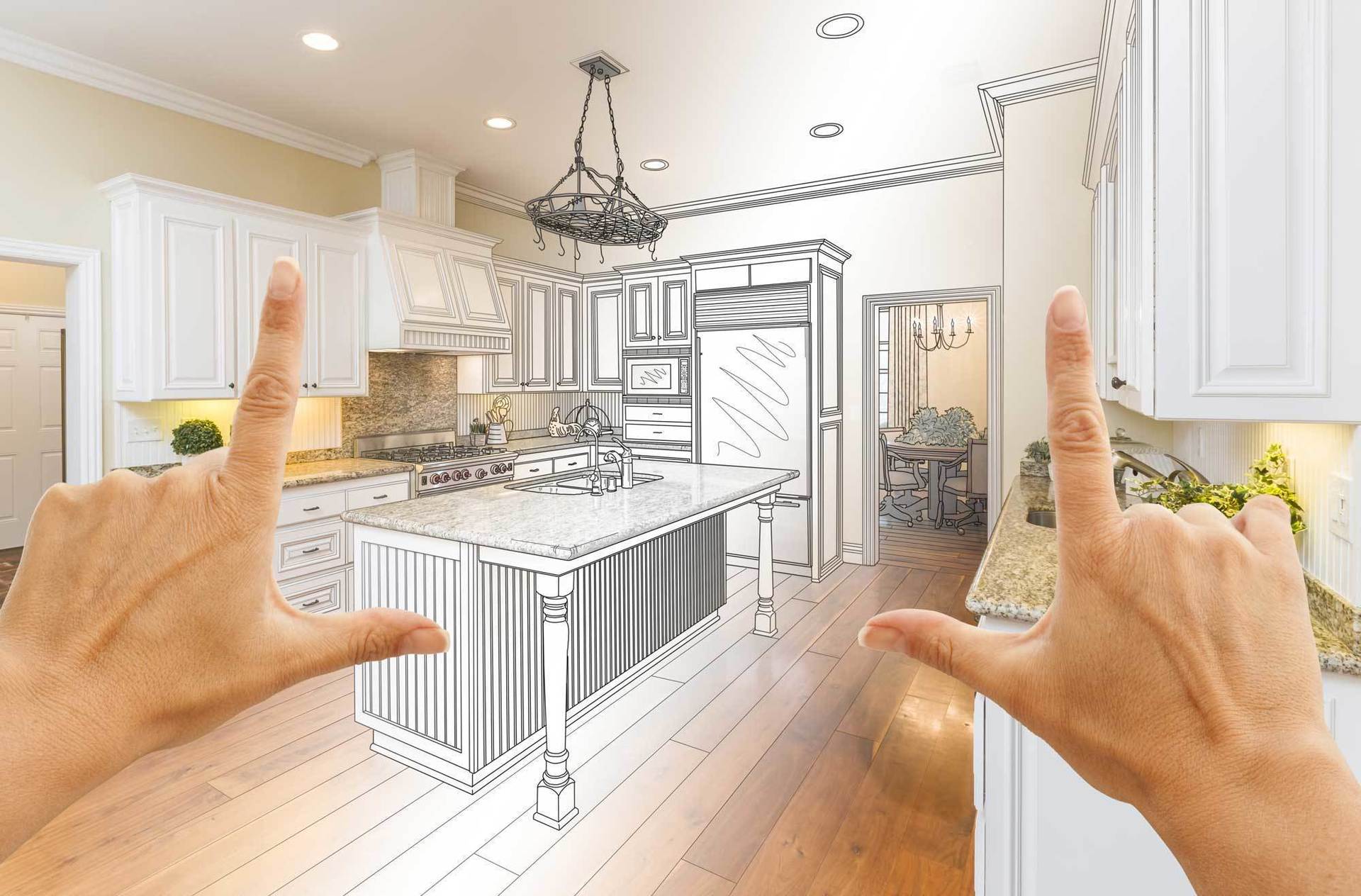
Should you remodel the kitchen? Replace the flooring? Finish the basement? Put in a pool?
Home improvement articles often answer these questions with a list of projects and an estimated return on investment. But the same renovation can be a great decision for one homeowner and a terrible decision for another.
Before deciding what to renovate, start with a different question:
What are you trying to accomplish?
1. I Love My Home, But I Don’t Love ______
Maybe you love your neighborhood, yard, and the home itself, but the kitchen is too small. You need another bathroom. The basement isn’t functional. Or you’ve always wanted a screened porch.
Before moving, consider what it would cost to fix the thing you don’t like.
If a renovation makes a home you already love work better for your family for another 10 years, you don’t necessarily need to recover every dollar when you eventually sell. Your return isn’t just financial.
2. I’m Getting Ready to Sell. What Actually Needs to Be Done?
This is where you should be much more careful about spending money.
Start with the things that could hurt the home’s marketability: worn flooring, peeling paint, leaks, broken fixtures, deferred maintenance, unfinished projects, or anything else that makes buyers question the condition of the property.
Then consider how your home compares with the competition. Would fresh paint make it feel considerably newer? Would replacing worn carpet change the first impression? Would a few targeted updates help a dated kitchen?
Sometimes the answer is yes. Other times, the best advice is to leave it alone.
Before spending thousands getting a home ready to sell, have an experienced real estate agent walk through it. You may be surprised by what isn’t worth doing.
3. I Want the Biggest Possible Return
If you’re flipping a property or renovating primarily to increase its value, the numbers matter.
This isn’t about building your dream kitchen. It’s about identifying where your money can make the biggest difference.
Paint, flooring, lighting, curb appeal, kitchen and bathroom updates, and correcting deferred maintenance can sometimes transform a property without a major renovation.
But spending $30,000 doesn’t automatically make a home worth $30,000 more. Buying the right property, choosing the right improvements, and controlling your costs are all part of the return.
4. I’m Renovating for Me
Sometimes return on investment isn’t the point.
Maybe you’ve always wanted a swimming pool, an incredible primary bathroom, a workshop, or a custom kitchen.
If you can afford it, plan to stay, and will enjoy the improvement for years, there’s nothing wrong with spending more than you expect to recover when you sell.
Your house isn’t just an investment. You also get to live there.
 Expensive Doesn’t Always Mean More Valuable
One of the biggest misconceptions about remodeling is that an expensive improvement must add significant value.
Buyers don’t necessarily care what the tile cost or how much you spent on the light fixtures. They react to how the finished home looks, feels, and functions.
A renovation can use high-quality materials and excellent craftsmanship and still have limited appeal if it’s too personal, doesn’t fit the house, or quickly becomes dated.
Be Careful With Flooring, Tile, and Trends
Flooring and tile cover a lot of visual space. A bold pattern or unusual material may be exactly what you want, but think about how it works with the rest of the house and how difficult it would be for a future owner to change.
Lighting and plumbing fixtures deserve similar consideration. The most popular fixture today may be the one that immediately dates the room five years from now.
That doesn’t mean everything has to be boring. Good design usually lasts longer than a trend.
Keep the Home Cohesive
Neutral doesn’t mean every wall has to be white, beige, or gray. Color can give a home personality.
The problem is when every room feels unrelated to the next. Too many competing paint colors, flooring materials, fixtures, and finishes can make a house feel chopped up.
A cohesive palette allows rooms to flow together and can make the entire home feel more intentional and current.
Don’t Over-Improve for the Neighborhood
Your home’s value is influenced by the homes around it.
Adding features your neighbors don’t have may make your home more desirable, but buyers may not pay enough extra to cover what you spent. At some point, you’re simply creating the most expensive house in the neighborhood.
This is especially important if your home is already one of the larger, newer, or more updated properties nearby. Before undertaking a major project for resale, consider what comparable homes in the area are actually selling for.
If you’re improving the home for your own enjoyment, that’s different. But if your goal is financial return, more improvement doesn’t always mean more value.
Let the House Tell You What Fits
Newer isn’t always better, especially in an older home.
Original hardwood floors, millwork, built-ins, doors, tile, hardware, and other architectural details may be part of what makes an older home desirable. When original materials can’t be saved, consider replacements that complement the home’s character.
A 1920s Prairie-style home probably shouldn’t have gray luxury vinyl plank flooring running through it simply because that’s what’s popular or readily available.
You don’t have to turn an older home into a museum. But the updates should feel like they belong.
Sometimes the best renovation doesn’t make an old house look new. It makes an old house look like a really good version of itself.
Where Should You Spend the Money?
Once you know your goal, concentrate on the improvements that will make the biggest difference.
Paint and flooring: Address worn, damaged, distracting, or highly personalized finishes first. You don’t necessarily need to replace everything.
Kitchens and bathrooms: These rooms matter, but they’re also easy places to overspend. If you’re selling soon, targeted updates to lighting, hardware, countertops, paint, fixtures, or flooring may make more sense than tearing everything out.
Curb appeal: Landscaping cleanup, exterior maintenance, paint touch-ups, and an inviting entrance can improve a buyer’s first impression without a huge investment.
Major repairs: A beautiful new countertop won’t make buyers forget about water in the basement or a leaking roof. Known roofing, plumbing, electrical, HVAC, moisture, or structural problems should be considered before spending heavily on cosmetic improvements.
Basements and additions: More usable space can add value, but these projects can be expensive. They’re often easier to justify when you’ll enjoy the additional space yourself rather than completing it immediately before selling.
 Don’t Forget the Wow Factor
Being careful with renovations doesn’t mean making everything generic.
Some of the best homes have something buyers remember after touring five others. It might be a beautiful fireplace, a great kitchen island, built-in cabinetry, an impressive shower, or an unusually good outdoor space.
The key is making the feature feel like it belongs in the house.
One or two memorable features can make a home stand out. Ten competing statement pieces can make it feel chaotic.
Ask yourself: What will make this home memorable for the right reason?
A Simple Approach to Home Improvements
When deciding what to do, keep four things in mind:
Fix what hurts the home. Address damage, deferred maintenance, and obvious problems.
Update what dates the home. Sometimes relatively small changes can make a house feel years newer.
Keep the design cohesive. Colors, materials, and fixtures don’t have to match, but they should feel like they belong together.
Add personality where it counts. Don’t be afraid to create something memorable, especially if it fits the character of the home.
There isn’t a universal list of improvements every homeowner should make. The right decision depends on your goal, your home, your neighborhood, and how long you expect to enjoy the improvement.
If you’re considering renovations because you plan to sell a home in Central Iowa, talk with PROmetro Realty before you start spending. We can walk through the property, look at how it compares with the competition, and help identify which improvements may be worth considering and which ones you may be better off skipping.